What good lawn mowing looks like in Santa Clarita
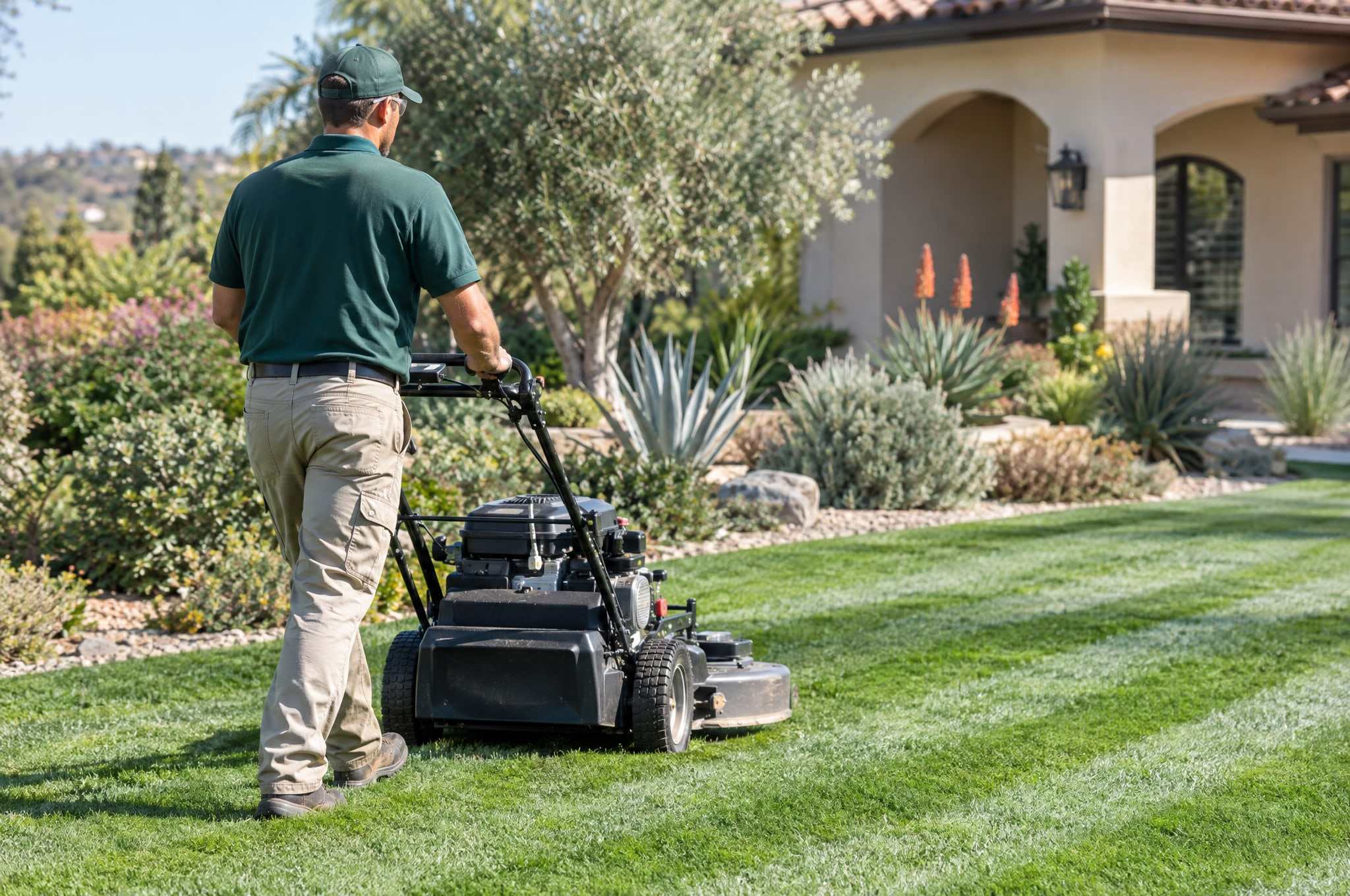
Good mowing in Santa Clarita means cutting at the right height for your grass type, never removing more than a third of the blade, and using sharp blades so the lawn can handle 100-degree afternoons. Stripes and clean edges are the part you see. Height and blade condition are the part that decides whether the lawn is still green in September.
Most SCV lawns are tall fescue, a cool-season grass that loves our spring and struggles in our summer. A smaller share are Bermuda or St. Augustine, and plenty of older lawns are a patchwork, with Bermuda or Kikuyu creeping into fescue. Each one wants a different deck setting, so the first thing our crew does on a new property is figure out what is actually growing there.
The right mowing height for each grass
The right height is about 3 to 4 inches for tall fescue and about 1 to 1.5 inches for Bermuda. Cutting fescue as short as Bermuda is the single most common reason SCV lawns brown out in midsummer.
| Grass type | Spring and fall height | Summer height | Why it matters |
|---|---|---|---|
| Tall fescue | 3 to 3.5 in | 3.5 to 4 in | Taller blades shade the soil and support deeper roots in the heat |
| Bermuda | 1 to 1.5 in | 1 to 1.5 in | Stays dense and low; tall Bermuda gets stemmy and thin |
| St. Augustine | 2.5 to 3 in | 3 in | Coarse runners scalp easily if cut too low |
| Mixed fescue with Bermuda | 3 in | 3.5 in | Favors the fescue and slows the Bermuda takeover |
If your lawn is a fescue and Bermuda mix, we mow for the fescue. Keeping the deck high gives the fescue an edge over the Bermuda, which prefers a short cut and full sun at soil level.
The one-third rule
Never remove more than one-third of the leaf blade in a single mow. Taking more shocks the plant, stalls root growth and opens the canopy to weeds. That is why weekly service matters in spring: fescue can put on a lot of growth in seven days in April, and skipping a week often means either breaking the rule or leaving clumps of clippings behind.
Why sharp blades matter more here
Sharp blades matter more in the SCV because a torn grass tip loses water faster, and our summer air is hot and dry. A dull blade shreds the leaf instead of slicing it. A day or two later the tips turn tan and the whole lawn looks faintly gray. On a Canyon Country or Saugus lawn in July, that ragged edge is one more stress the grass does not need.
We sharpen blades on a regular rotation through the mowing season and more often in summer. It is a small thing that shows up in the color of your lawn.
Heat stress and scalping
Scalping happens when the mower cuts down into the crown of the grass, usually on high spots, slope transitions and sprinkler-head bumps. In cool weather a scalped spot recovers. In late summer it often dies. Our crews raise the deck on uneven ground and on the slopes common in hillside tracts, and we watch for spots that are wilting before we run a mower over them.
Grasscycling: leave the clippings
Grasscycling means leaving short clippings on the lawn, and it is the default on our routes. Fine clippings filter down, break down within days and return nitrogen and moisture to the soil. That can reduce how much fertilizer the lawn needs over a season, and it shades the soil surface a little on hot days.
It only works when clippings are short, which is another reason a consistent schedule helps. When the lawn gets away from us after a rainy week or a vacation hold, we bag and haul the clippings so they do not mat down and smother the grass.
Weekly or every other week?
Weekly mowing suits most Santa Clarita lawns from March through June and Bermuda lawns through summer. Every other week works well for fescue in late fall and winter, when cool nights slow growth. Many customers switch frequency with the season, and you can do that without any contract to change.
- Weekly is best for spring fescue, any Bermuda lawn in summer, and HOA neighborhoods in Valencia or Stevenson Ranch with strict appearance standards.
- Every other week is best for slower winter growth, shady lawns and smaller yards where growth stays modest.
Our lawn mowing cost guide breaks down how lot size, slopes and gate access affect the per-visit price, and current starting rates are on the pricing page.
Mowing is the base, not the whole program
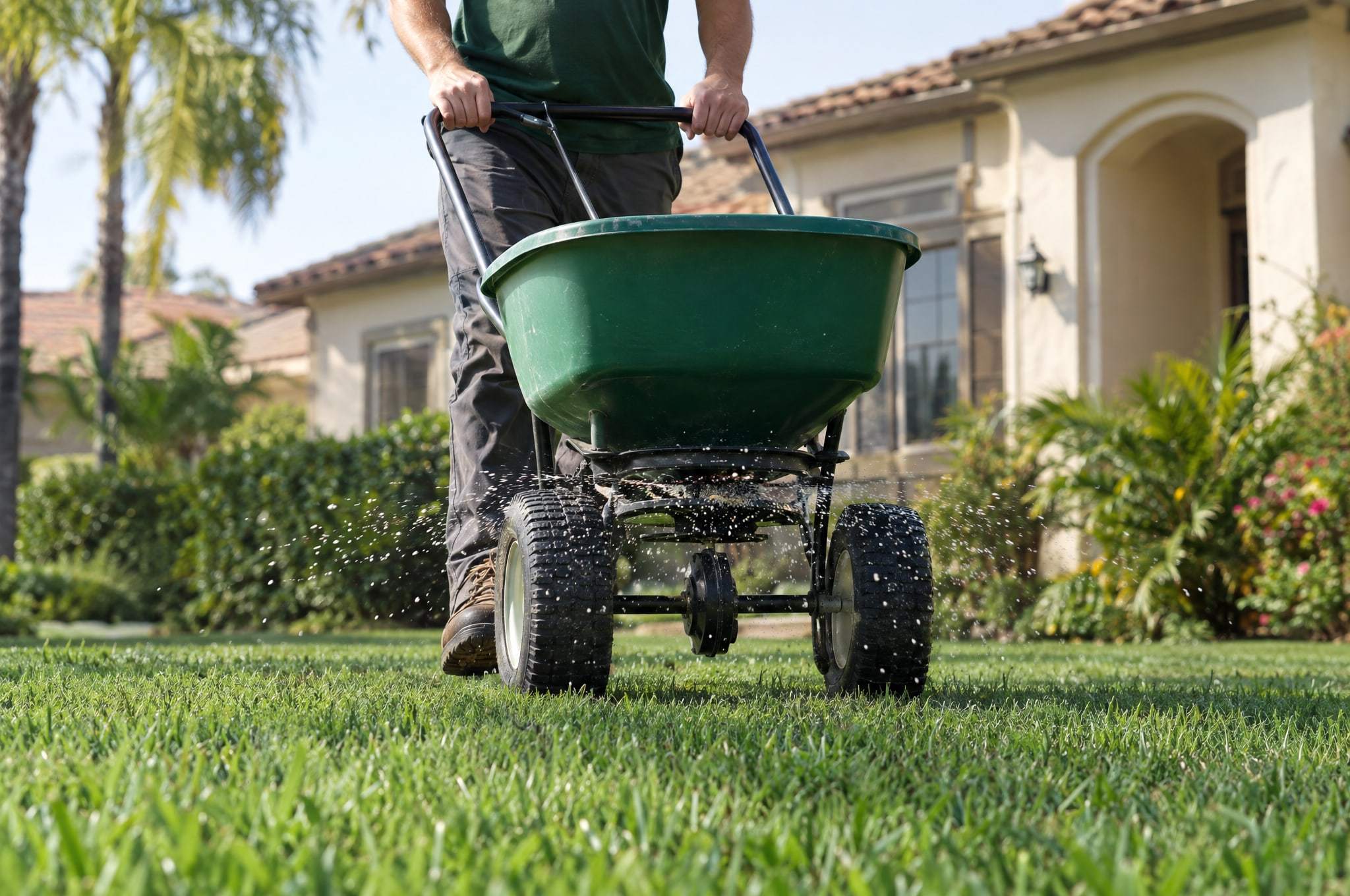
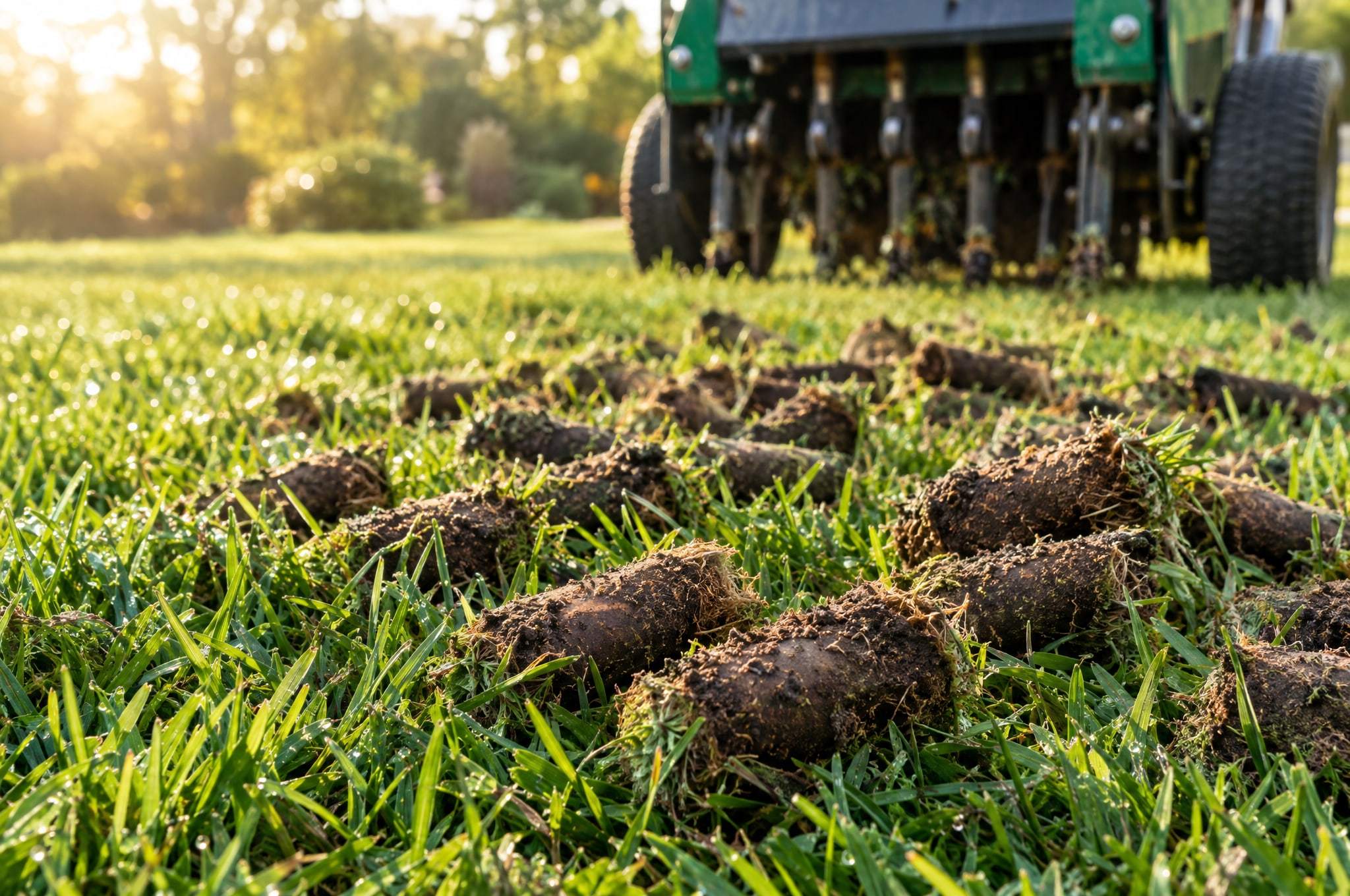
Mowing keeps a lawn neat, but it cannot fix thin turf, clay compaction or a weed problem. If your lawn is patchy, pair a regular schedule with fertilization and weed control and a fall aeration and overseeding for fescue. We mow throughout the valley, including routes in Valencia and Saugus. If you want a flat weekly price, request a free quote and we will get back to you within one business day.