What good hedge trimming does
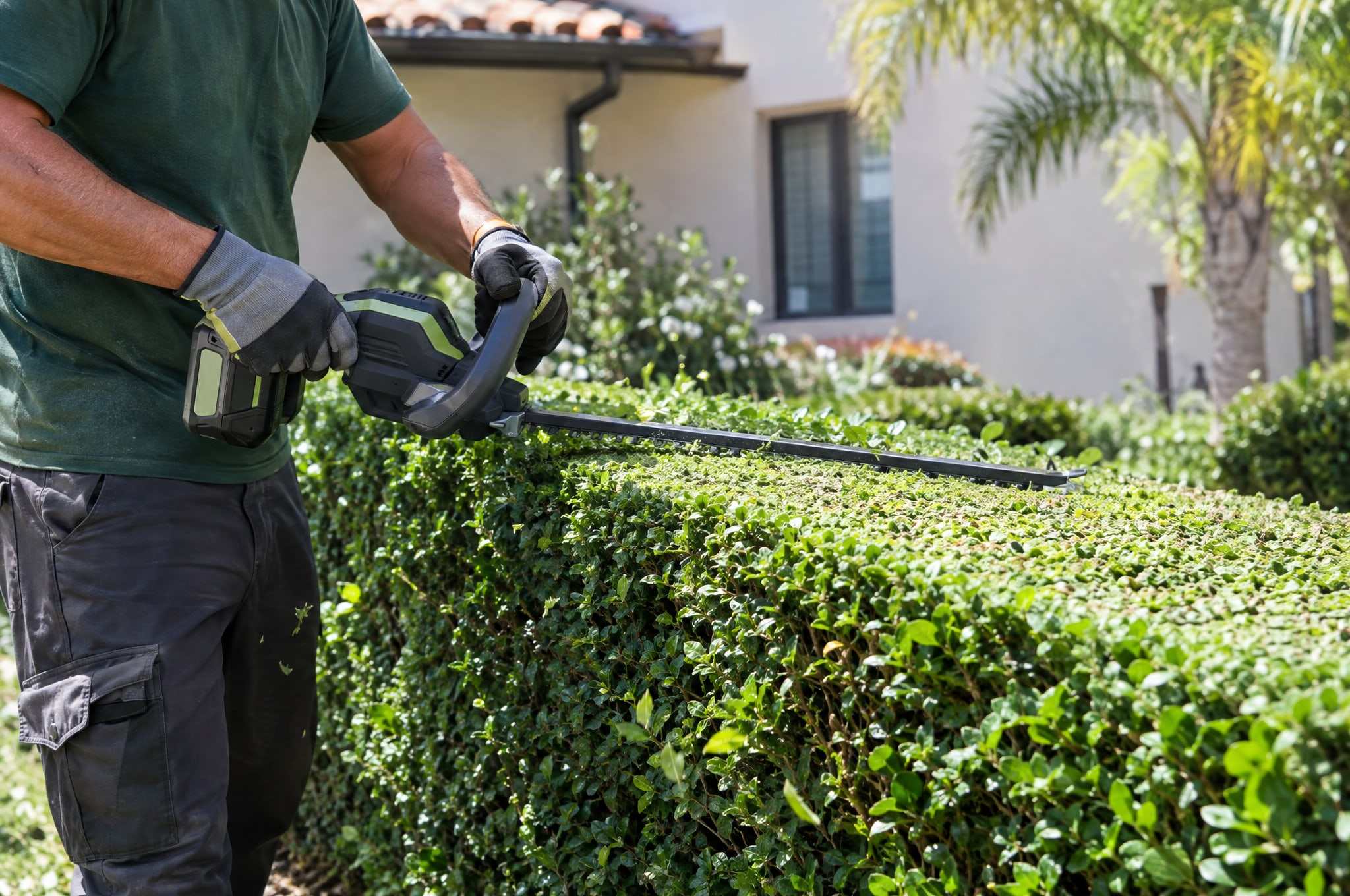
Good hedge and shrub trimming keeps plants dense, healthy and the shape you want without stressing them. A well-trimmed hedge is full from top to bottom, has clean lines and stays at a height that does not take over windows or walkways. A poorly trimmed one gets leggy, bare at the base and brown on the surface.
The difference comes down to three things: cutting at the right time of year, using the right kind of cut for the plant, and shaping it so light reaches the whole hedge.
Shearing vs selective pruning
Shearing and selective pruning are two different jobs, and most yards need both.
| Shearing | Selective pruning | |
|---|---|---|
| Tools | Hedge trimmers | Hand pruners and loppers |
| Result | Flat, formal surfaces and crisp lines | Natural shape, open interior |
| Best for | Boxwood, privet, pittosporum, formal hedges | Flowering shrubs, natives, informal plantings |
| Risk if overdone | Dense outer shell, bare interior | Too open if cut too heavily |
Formal hedges are sheared but also benefit from occasional thinning cuts inside the canopy to let light and air in. Flowering shrubs like Texas ranger, Indian hawthorn and many California natives look best when pruned selectively, because shearing them into balls removes flower buds and leaves a stubby look.
Shape it narrower at the top
Every formal hedge should be trimmed slightly narrower at the top than at the base. If the top is wider, it shades the lower branches, which then drop their leaves and leave bare legs at the bottom. A slight taper keeps the hedge full all the way to the ground.
Timing hedge trimming in the SCV
The best timing for most Santa Clarita hedges is a main shaping in late winter, a light trim after the spring flush and a tidy-up in fall. Two local factors shape that schedule more than anything else: summer heat and bird nesting season.
Do not shear in extreme heat
Avoid heavy shearing during heat waves. When you shear a hedge, you cut away the outer leaves that were shading the interior. In 100-degree weather, those newly exposed leaves sunburn and brown within days. On the hottest inland properties in Canyon Country and Saugus, we keep summer trims light and reschedule heavy work to cooler weeks.
Nesting season
Spring and summer are nesting season for many birds in the SCV, and dense hedges are a favorite nesting spot. Most native birds and their active nests are protected by law, so our crews check hedges for active nests before cutting during those months. If we find one, we leave that section alone and come back after the young have left. This is one more reason a late-winter main shaping works well: it gets the big cutting done before most nesting begins.
Common SCV hedge and shrub plants
These are the plants we trim most often around Santa Clarita, and each one has its own preferences.
- Boxwood: tolerates frequent shearing and holds a crisp shape. Can bronze in hot afternoon sun.
- Privet (Ligustrum): grows fast and needs regular trims in spring and summer to stay tidy.
- Pittosporum: a common privacy hedge that handles shaping well but gets top-heavy if left alone.
- Photinia: prized for its red new growth, which a well-timed trim encourages.
- Indian hawthorn: looks best with light, selective pruning after it blooms.
- Texas ranger: a water-wise shrub that flowers after summer humidity; heavy shearing reduces blooms.
How often hedges need trimming
How often a hedge needs trimming depends on how fast it grows and how formal you want it to look. Fast growers like privet and photinia can need a trim every four to six weeks during spring and early summer to hold a crisp line. Slower plants like boxwood and Indian hawthorn usually look good with two to four trims a year. Natives and flowering shrubs often need only one well-timed pruning, plus clearance cuts when they reach walks or windows.
- Formal hedges stay crisp with frequent light trims during the growing season.
- Privacy screens usually need a few trims a year to hold height and width.
- Flowering and native shrubs do best with a single selective pruning timed to their bloom.
Frequent light trims are easier on the plant than one hard cut after a long gap. A hedge that is cut back hard only once a year spends months looking either overgrown or freshly scalped.
Hedge trimming and the rest of the yard
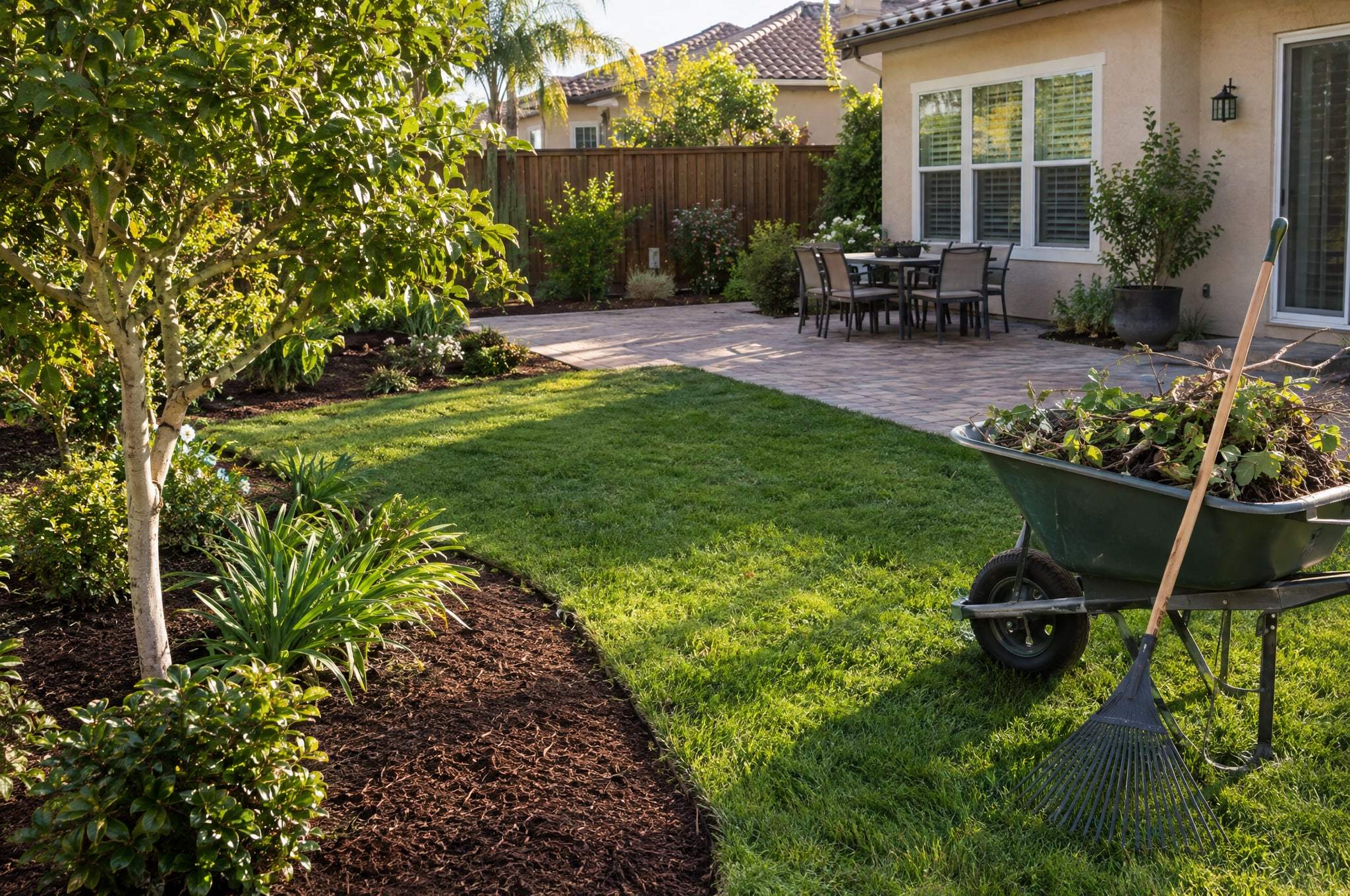
Hedge trimming is often the visit that makes a yard look finished. If the whole property needs a reset, start with a one-time yard cleanup, then keep things in shape with regular trims. Many customers pair hedge work with lawn mowing so the whole yard is maintained on one schedule. If you are thinking about replacing thirsty shrubs, our drought-tolerant landscaping service can suggest native and Mediterranean alternatives. We trim throughout the valley, including in Stevenson Ranch, and starting prices are on the pricing page.